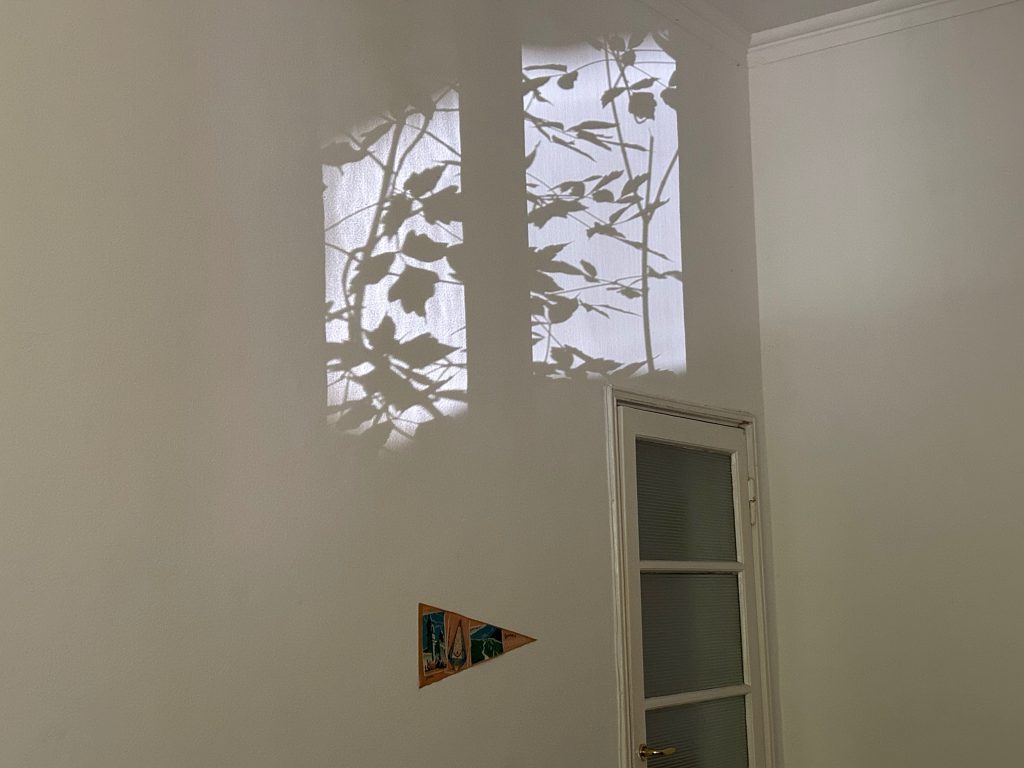
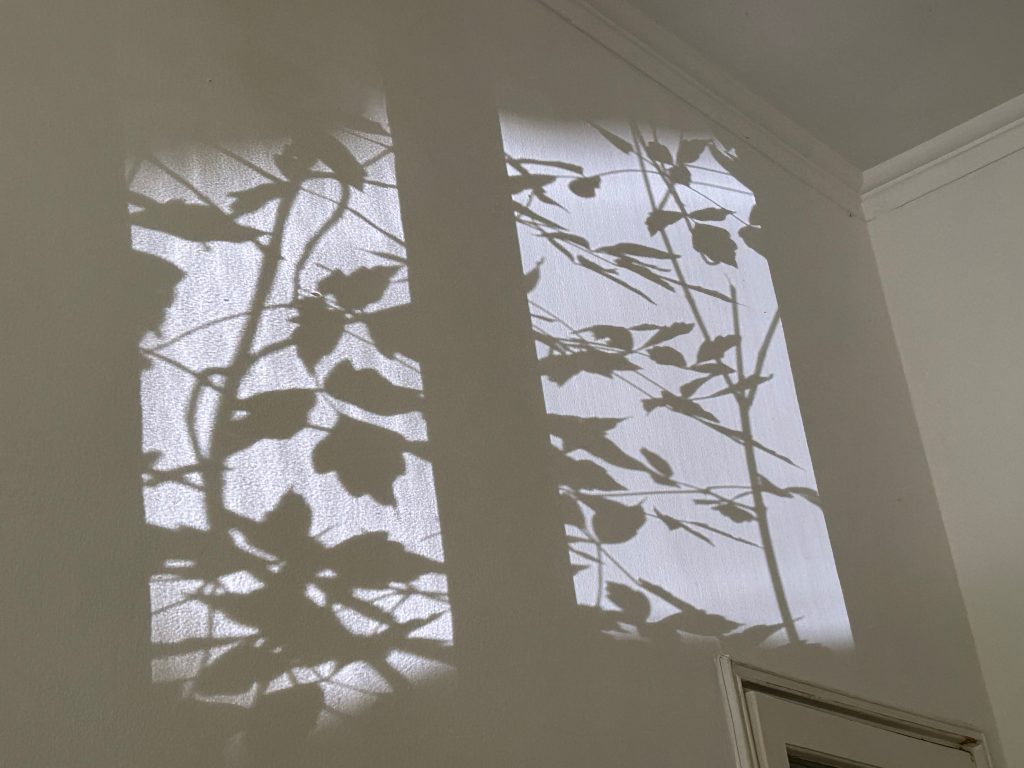
Today is Sunday.
Morning.
Poetic shadow appeared in my room, actually in Silvia’s room. I am sleeping here while Silvia and Salomé are in Florida.
For a moment I thought:
There he is.
I thought: there he is.
Rauschenberg is here.
I immediately thought of his White Paintings from 1951.
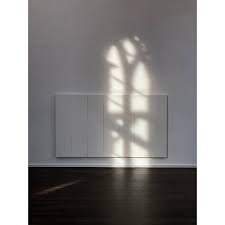
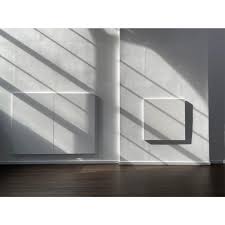
At first glance, nothing.
White canvas.
No image.
No subject.
No gesture pretending to be a gesture.
Rauschenberg made them in different numbers: one panel, two, three, four, seven.
He covered them with white house paint, rolled it on, making the surface almost impersonal. Almost nothing.
But this is where the painting begins.
Because the white is not empty.
It waits.
For the light to move across it.
For a shadow to pass.
For a body to interrupt the room.
For dust to settle.
For the air to become visible without becoming an image.
A place where nothing stays.
Everything arrives.
Everything leaves.
The painting does not show something.
It receives something.
Perhaps that is the difference between looking at a painting and listening to one.
The white surface is not silent.
It is listening.
John Cage was deeply moved by the White Paintings.
They gave him a way of thinking about silence not as the absence of sound, but as a space in which sound could reveal itself.
A white surface waiting for light, shadow, dust.
Later, Cage composed 4′33″.
What does a silent room wait for?