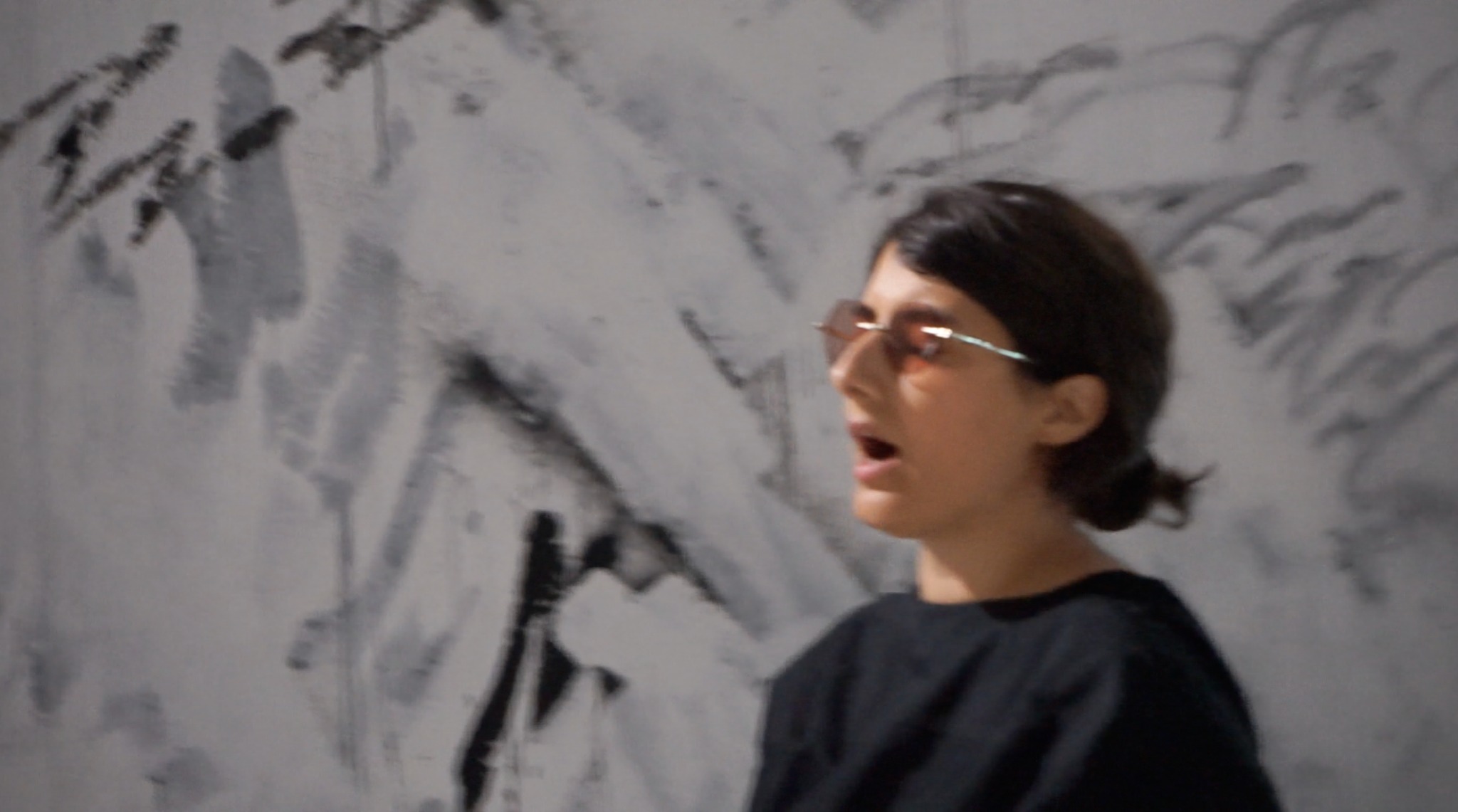
Performative Installation | Shortlisted to represent Serbia at the 60th Venice Biennale in 2024
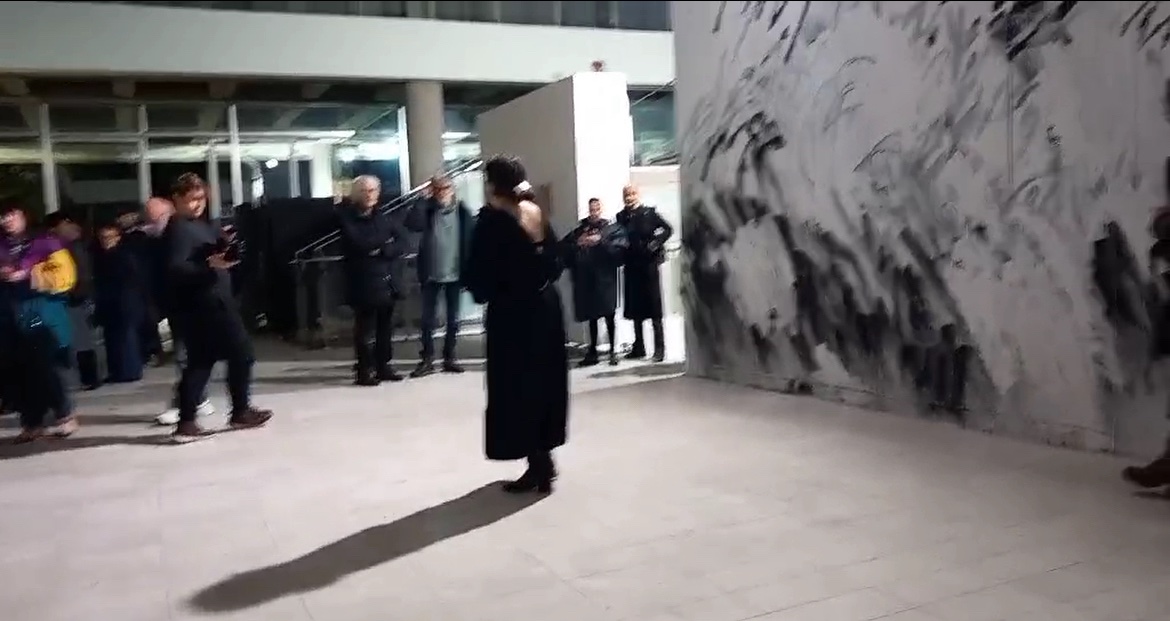
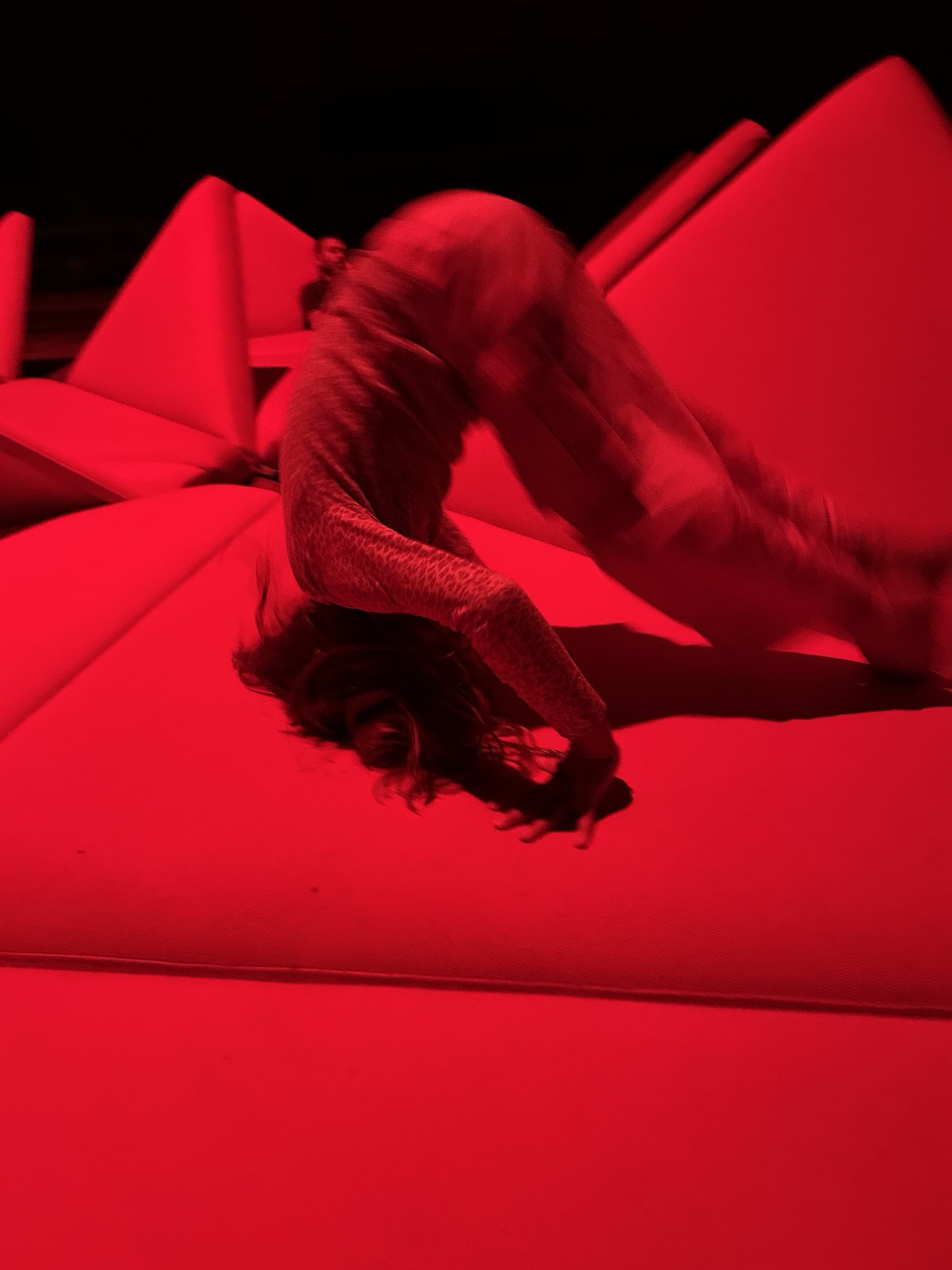
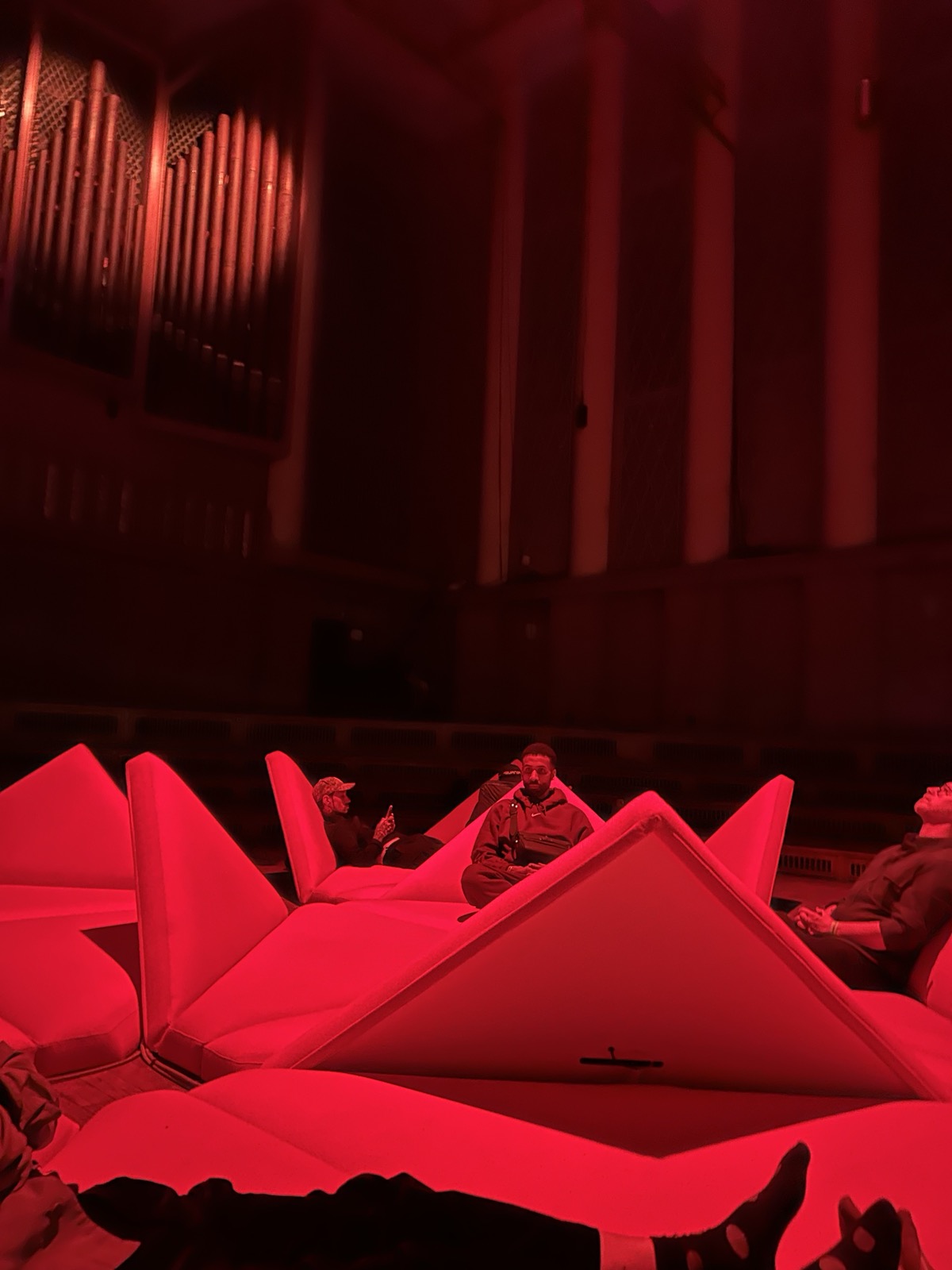
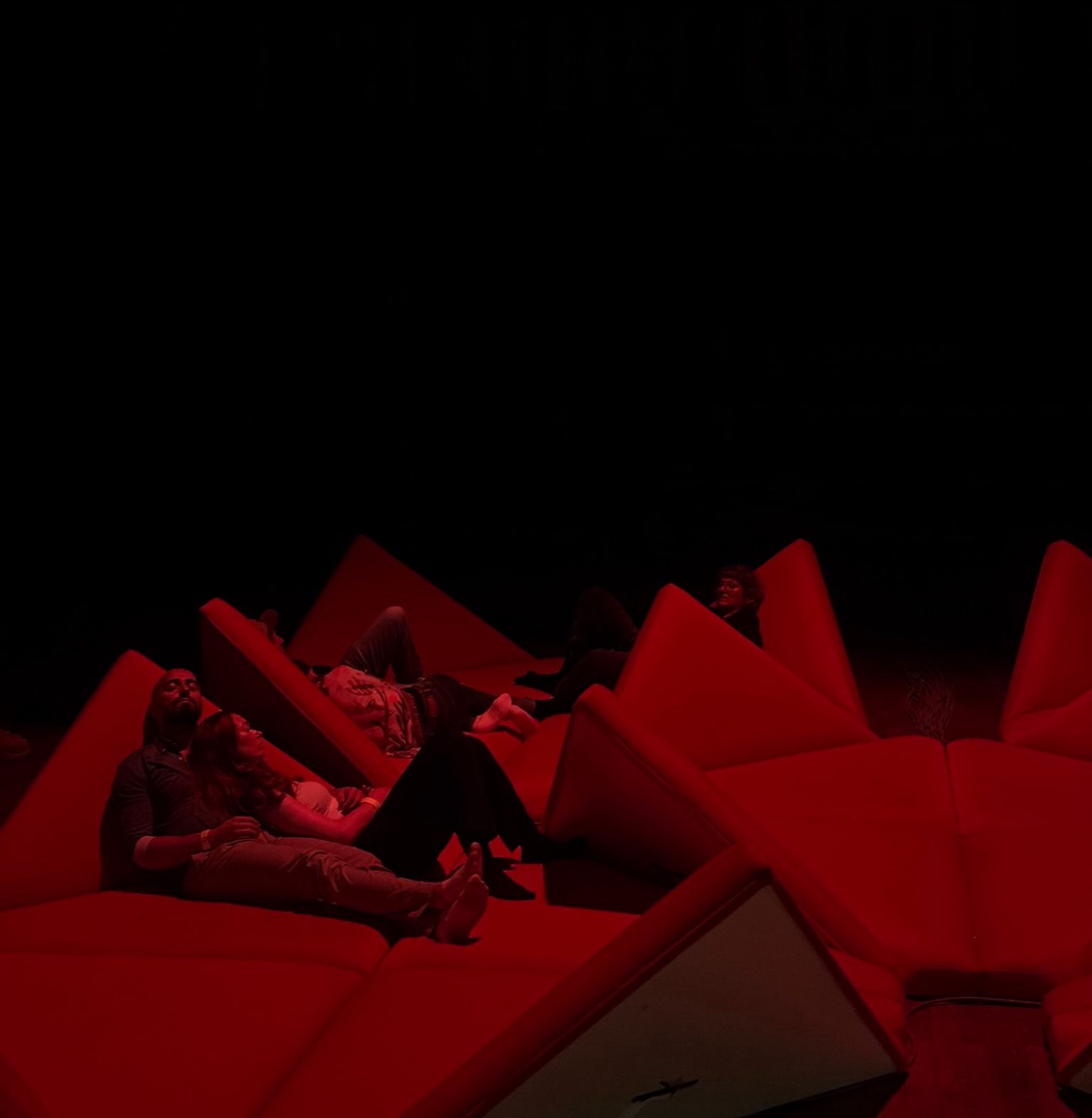
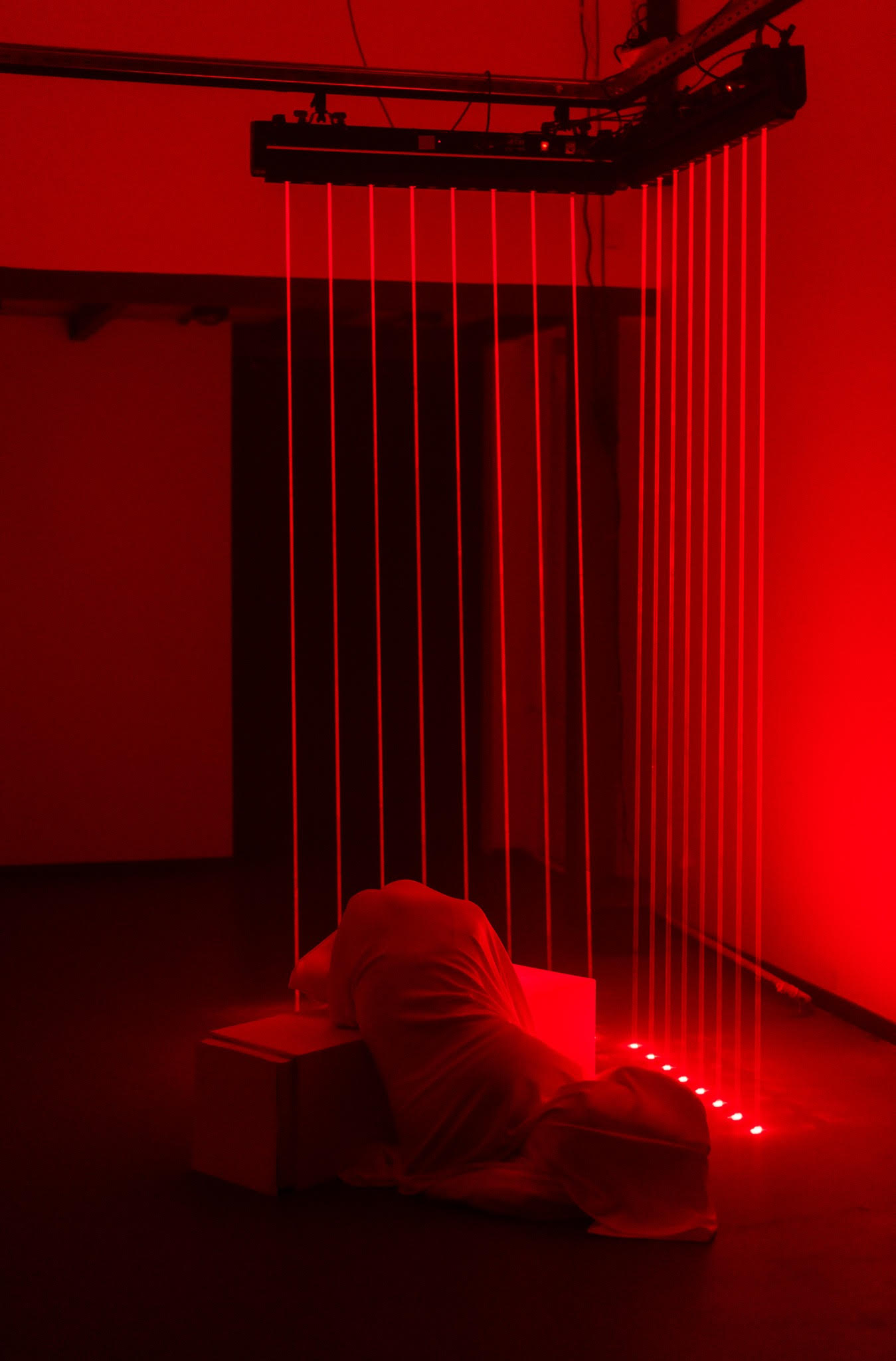
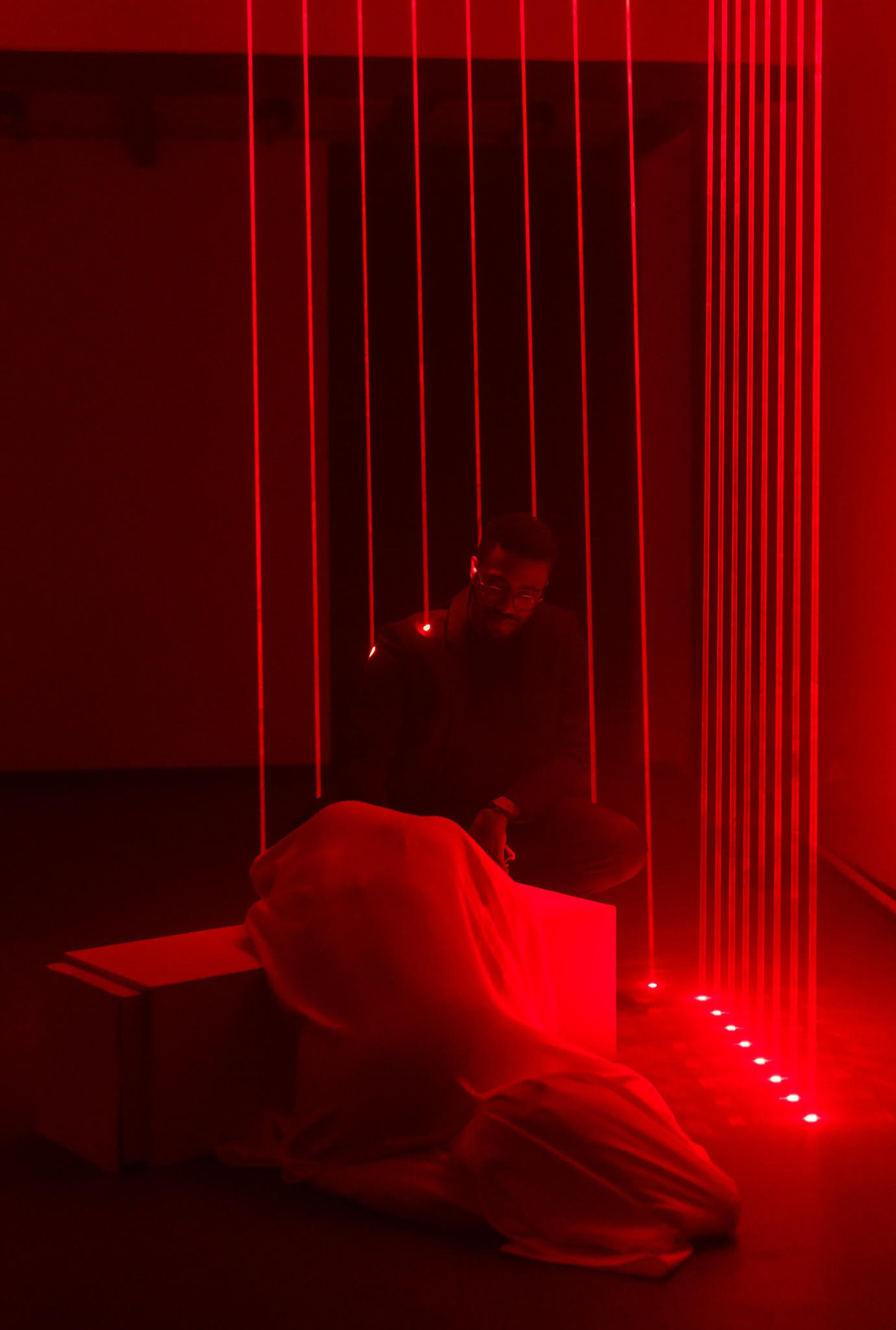
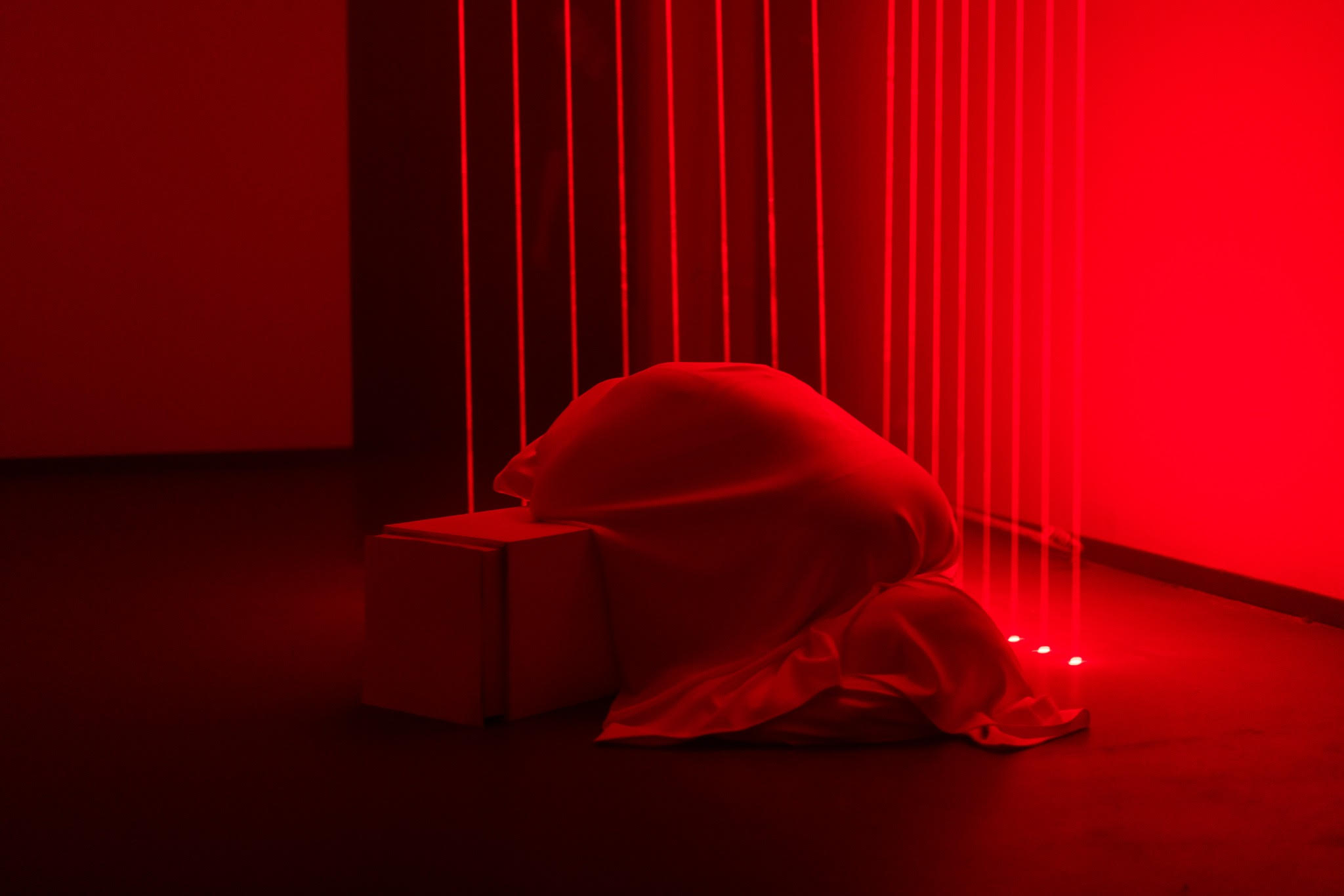
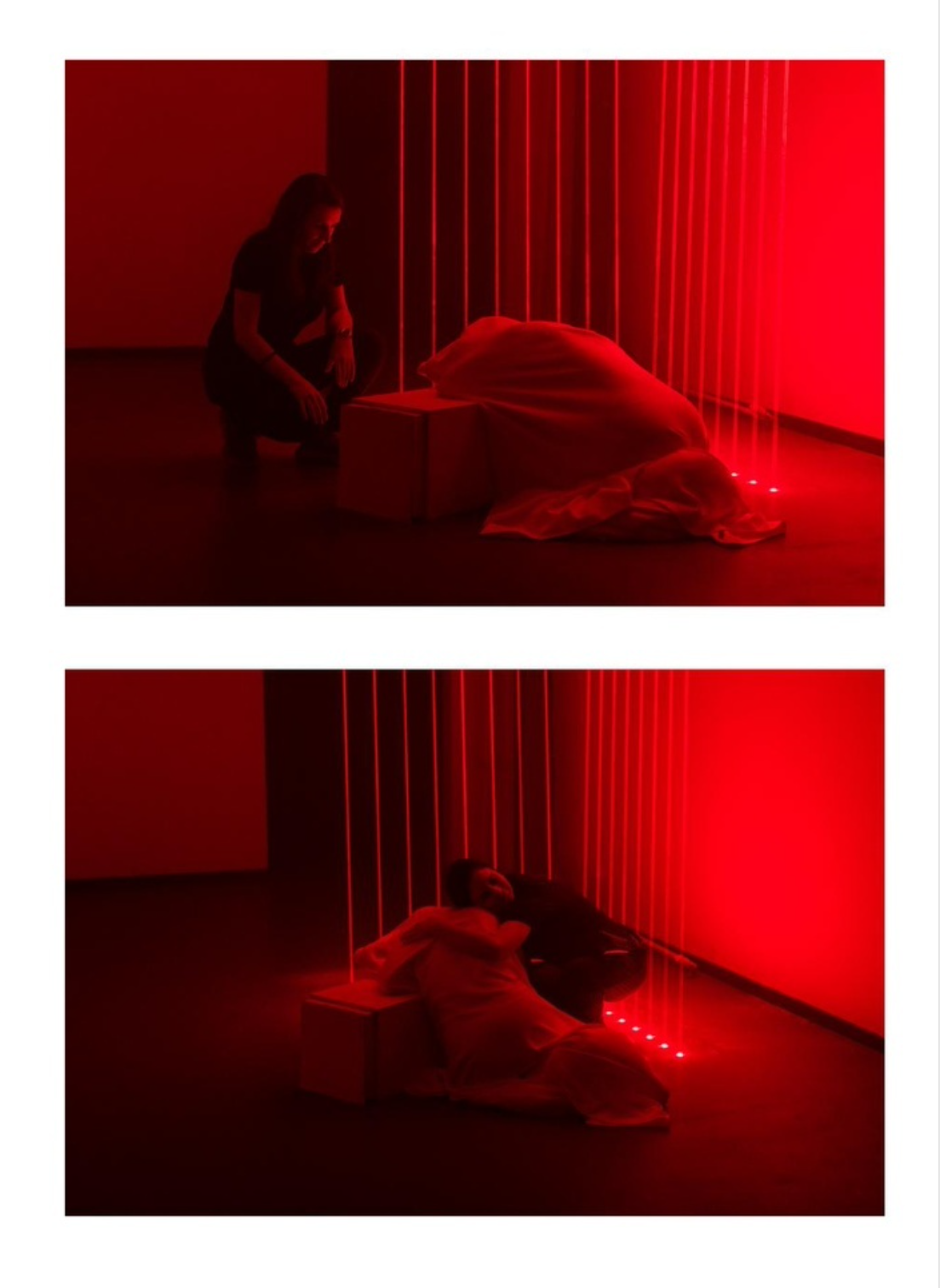
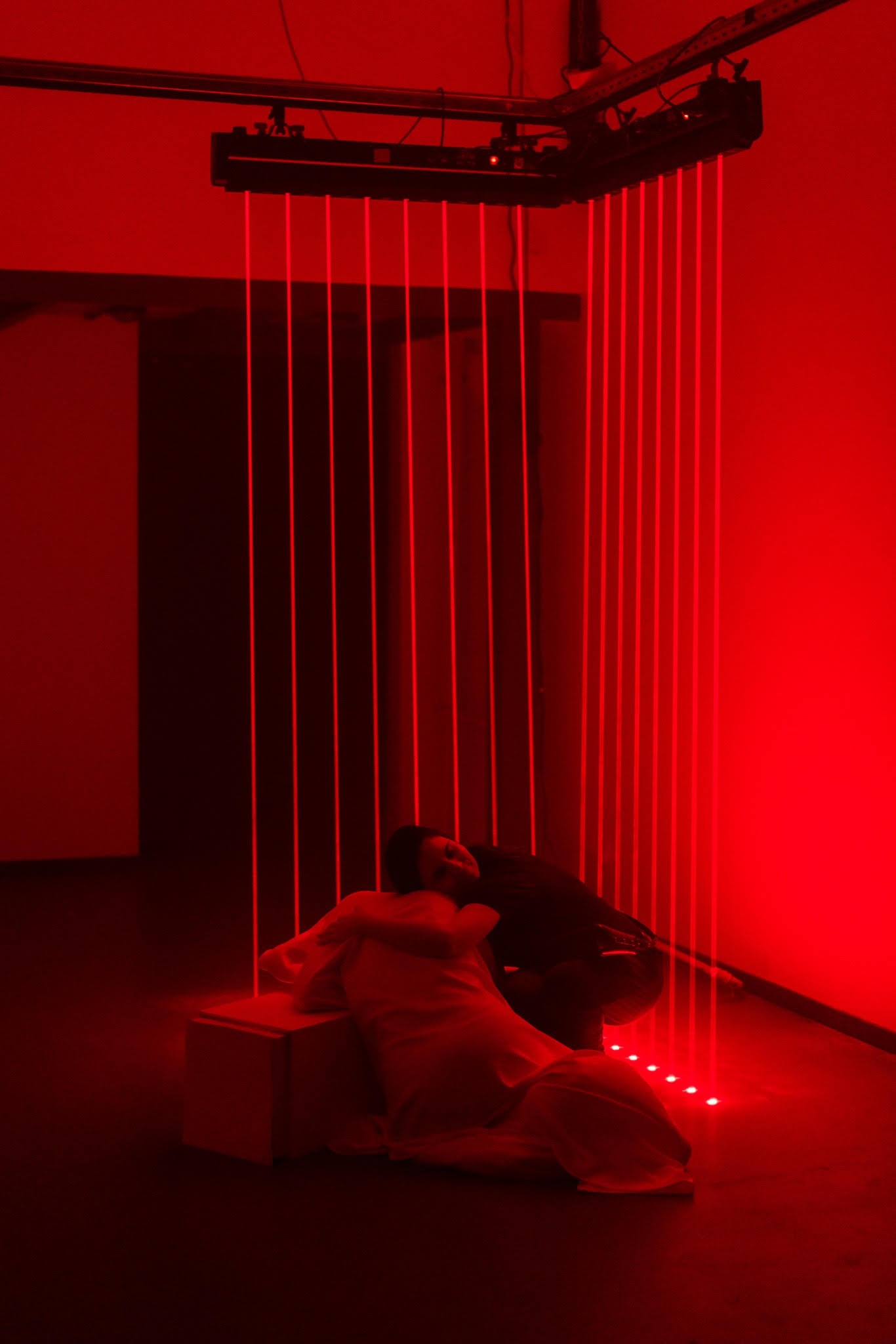
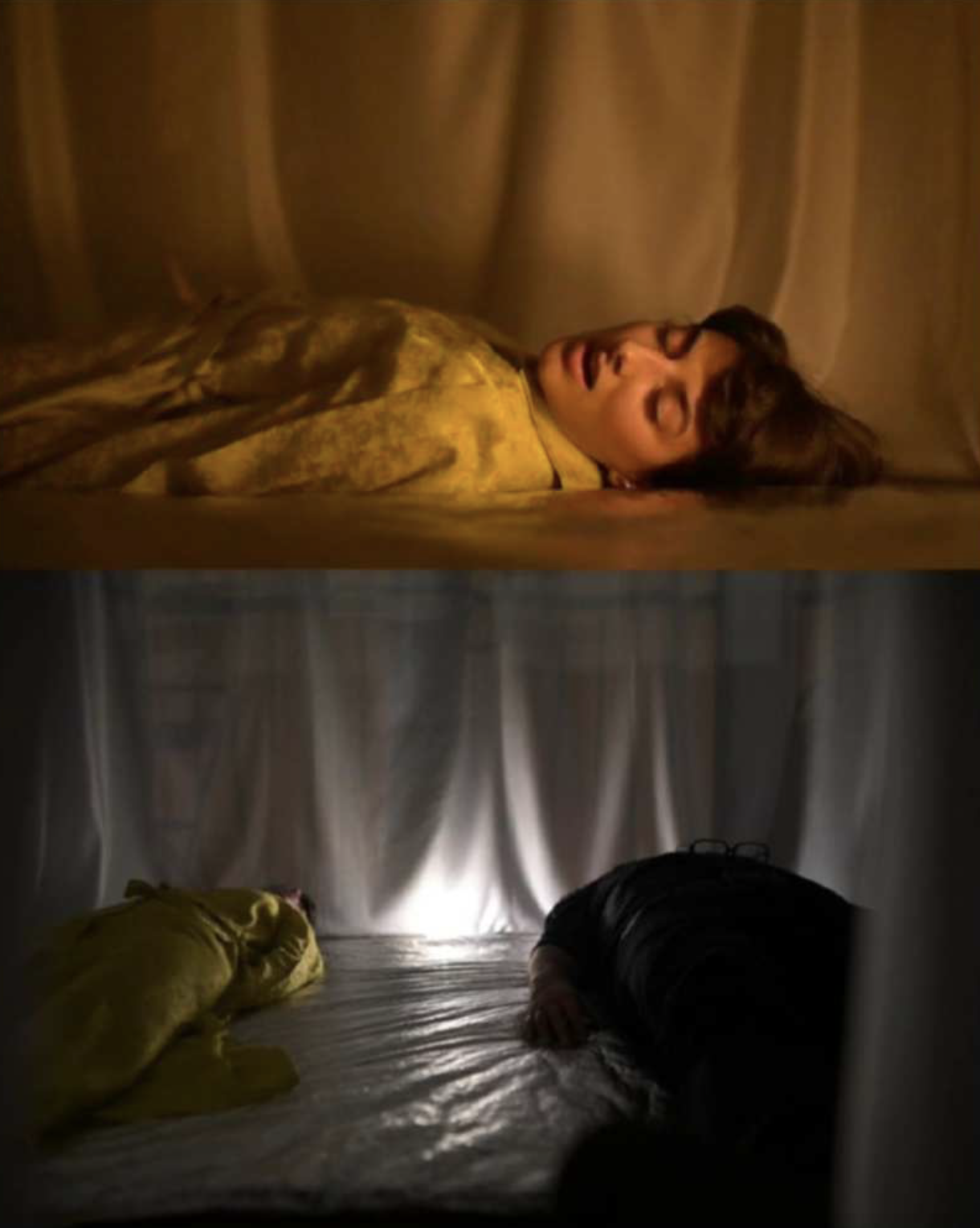
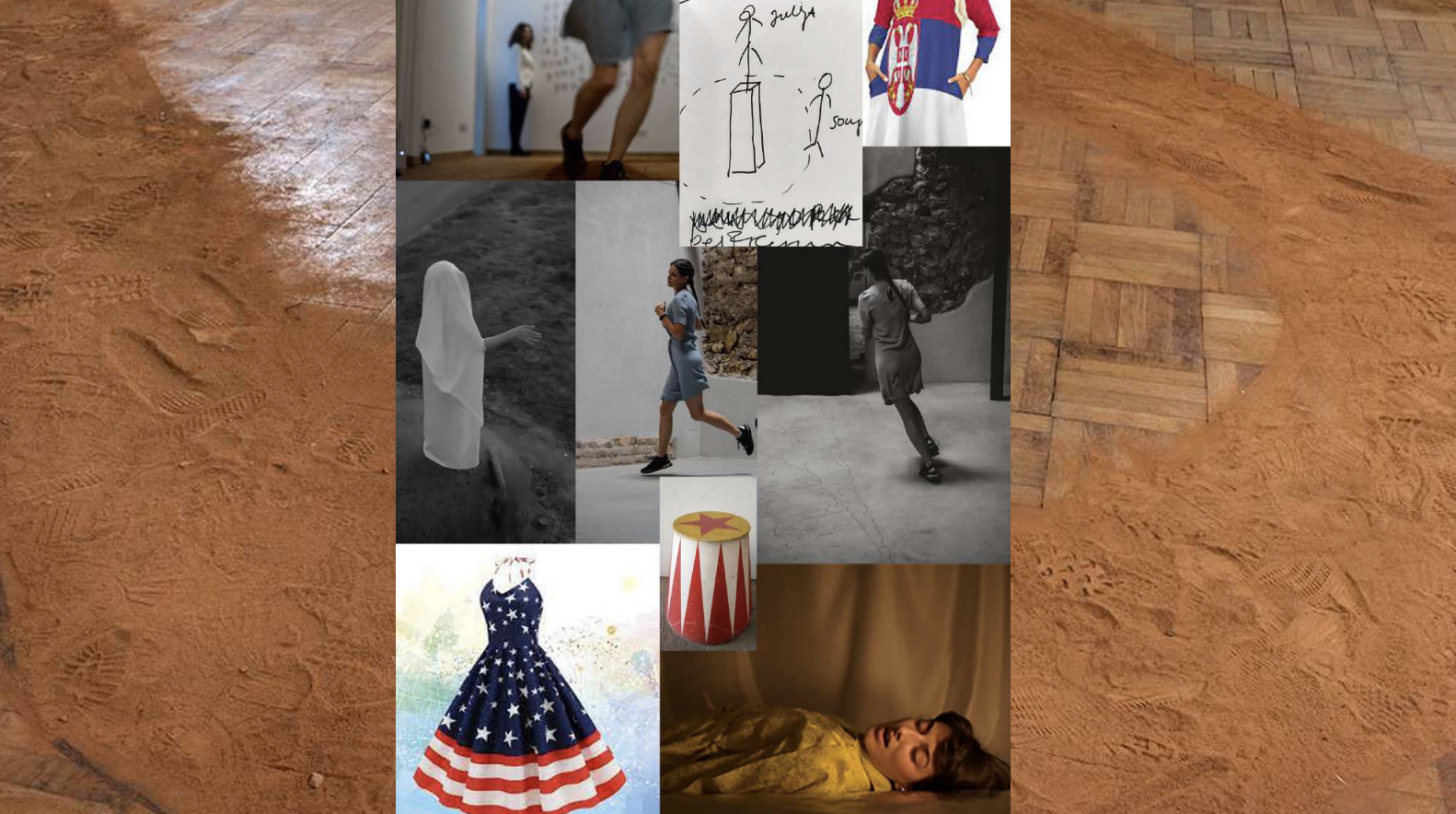
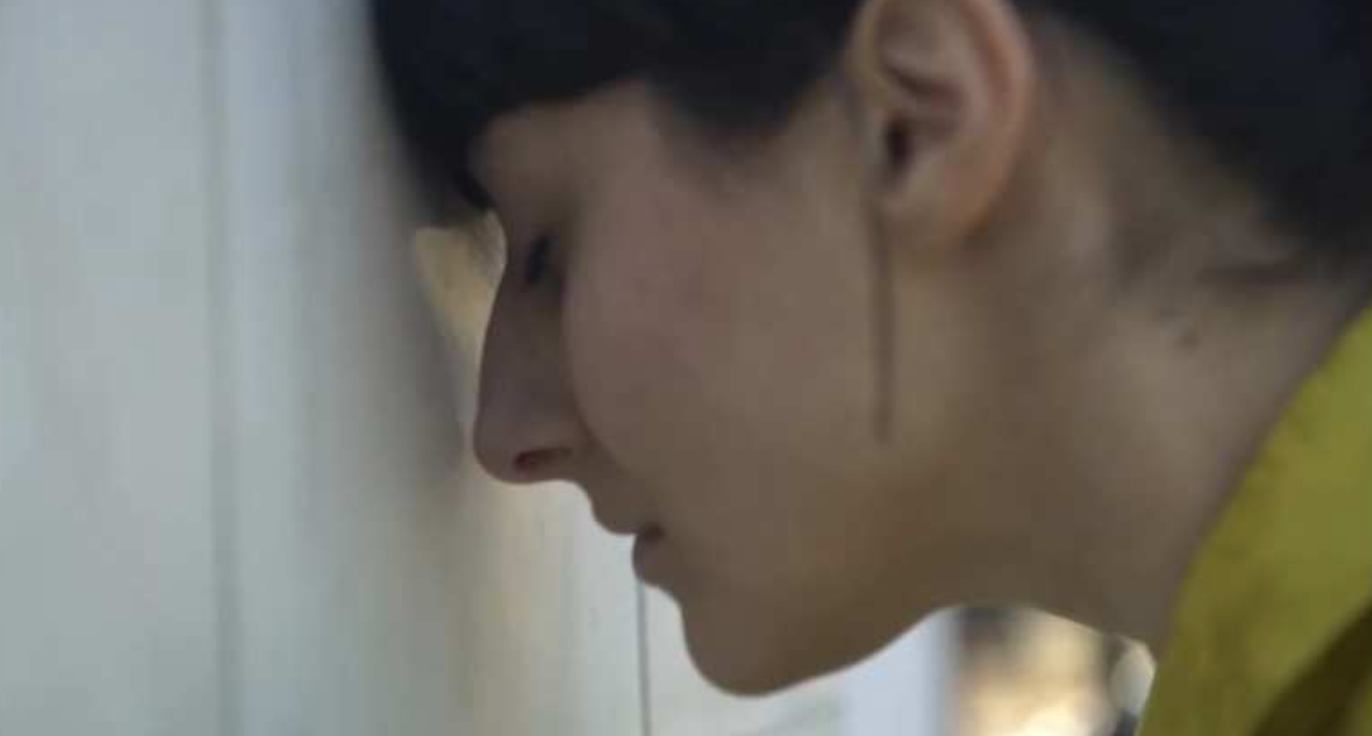
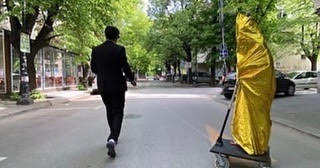
Julija Castellucci, Sanja Latinović, and Sonja Radaković are creating a new hybrid work titled "Emergency Exit" for the Serbian Pavilion in 2024. They are collectively redefining the concept of artistic collaboration. The main idea of this project is for the artwork to embody the collective strength and power of unity, not only among these three artists but also among local, regional, Eastern European, and global forces from all countries, peoples, groups, and individuals who are limited in their mobility. The artists' desire is to create a symbolic collective body that coexists within the pavilion's present. This body is present because it is compelled to move, undergo a sort of migration, and push boundaries until it reaches a wall. It symbolizes the transformation of energy and potential for progress into a deadlock.
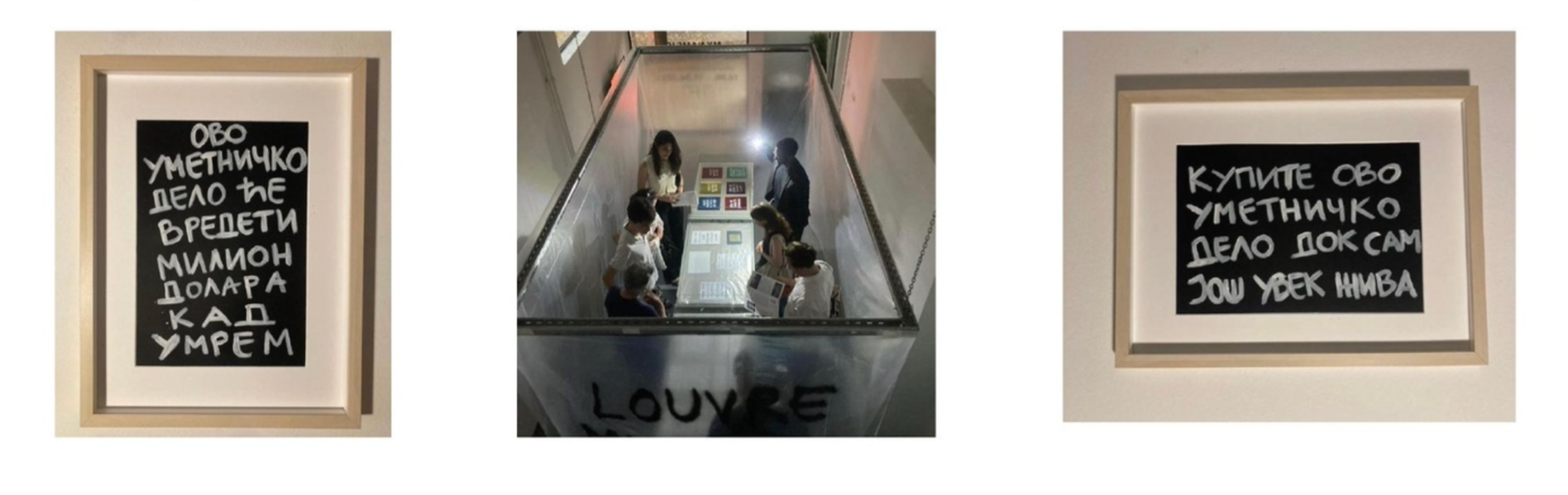
The "Emergency Exit" project evokes moments from avant-garde modern and contemporary art: when Marcel Duchamp was fascinated by the accidental cracks in the glass of his famous Dadaist work "The Large Glass"; the scene in Pipilotti Rist's video "Ever Is Over All" where she uses smashing car windows as a symbolic representation of female rebellion and empowerment; and Anne Imhof's use of glass as a dominant material in her installations to create effects of transparency, symbolizing a material that divides space and represents barriers while simultaneously producing layered visual effects.
The theme of strangers, movement boundaries, the sense of presence, and the boundaries between artists and the audience play a crucial role in the "Emergency Exit" project. Simultaneously, the project emphasizes the importance of the artists' long-term commitment to maintaining the work's sustainability to keep the artwork relevant and functional over time. This concept of "maintenance" is related to post-medial hybridity, digital presence, and the idea of sustainability of contemporary art. Through all these themes, the "Emergency Exit" project represents a contemporary response to classical artistic concepts, exploring them through a unique combination of performance, video, and artwork maintenance, while shedding light on current social and political issues signaled by the Biennale's theme, "Strangers Everywhere."
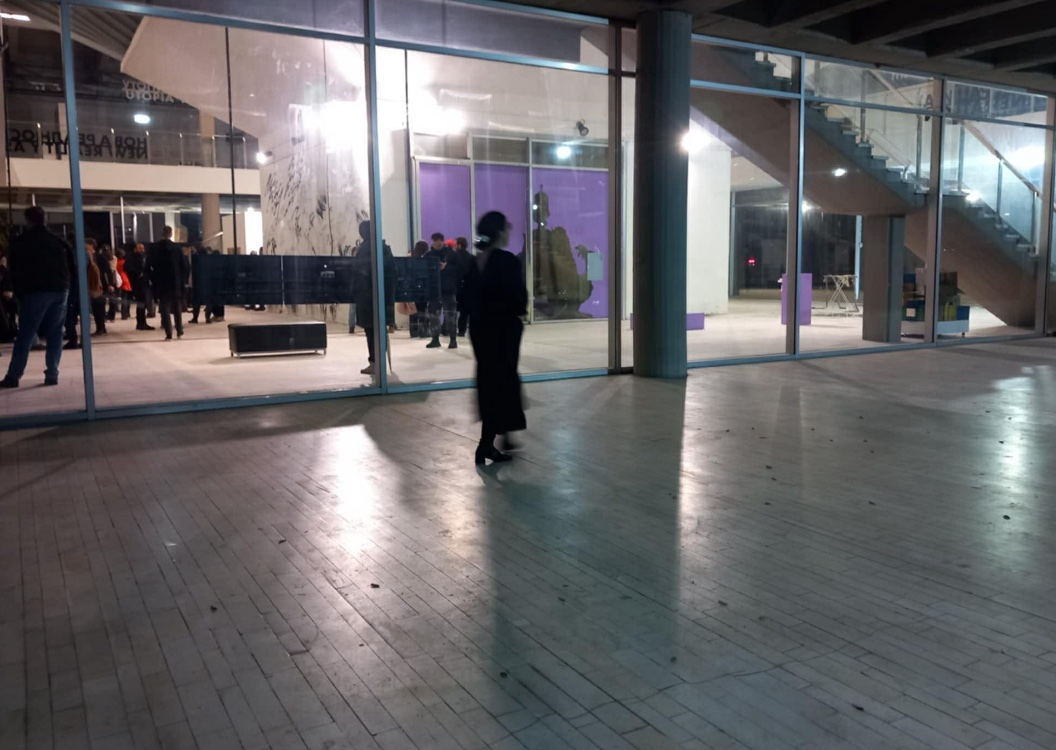
According to Michel Foucault, the concept of the "carceral system" signifies a set of institutions, practices, and techniques used to restrict and control individuals or groups in society, often involving physical structures where people are isolated or under surveillance. The carceral system also encompasses broader social norms, laws, and policies that justify and regulate such freedom-limiting practices. This concept is relevant to this work because it deals with the idea of the "glass frame/ceiling" as a control apparatus. The glass frame can be considered one element of this carceral system as it physically restricts movement and presence within a specific space. At the same time, it can symbolically or metaphorically represent an image of the broader system of social control and confinement. This work explores the dynamics between the subjects within the glass frame and the audience observing them, questioning how this carceral system affects individual freedom, identity, and perception. It raises questions about the sustainability and maintenance of the system and the need for changes to enable greater transparency and empathy for those within these frames.
The artists who come to perform maintenance work in the pavilion after the performance can be analogously compared to "guest workers" or "guest artists" within the artwork. This role of artists as "guest workers" underscores the idea that art is not just a momentary performance or spectacle but also an effort and care for maintaining and sustaining the artwork and space. Their sporadic presence after the performance can be interpreted as an extension of the performance itself but in a different context. Instead of performing in front of the audience, the artists now engage in "maintenance work" as their role in the artistic process. This work may involve cleaning, maintaining installations or other elements of the performance, as well as caring for the pavilion's space. This role of "guest workers" can have deeper significance, emphasizing the importance of the sustainability of the artwork and space, as well as the need for ongoing engagement and care by artists for their works. Furthermore, it can highlight the importance of empathy and care for the work that are also part of the artistic process but often invisible to the audience.
The vision of the Serbian Pavilion for the 2024 Venice Biennale insists on breaking free from traditional exhibition concepts. The collective body emerging from collaboration on this work proposes an arrangement that aims to create a dynamic field of aesthetic and emotional interaction instead of the classic representative container for artworks. The "Emergency Exit" project represents a multidisciplinary artwork that deals with themes of freedom of movement, presence, boundaries between artists and the audience, sustainability, and transparency. Three artists, inspired by the works of Marcel Duchamp and Anne Imhof, create this work as a response to contemporary social and political challenges. The main idea of the project is to explore the concept of "strangers everywhere," illustrating how we feel like strangers in our own lives due to movement restrictions. Through a combination of performance, video, and installation, the artists create a symbolic collective body compelled to move and confront walls. Inspired by Marcel Duchamp's work, the artists use glass as a key material in their work. Glass is used as a symbol of boundaries and barriers but also as a material that creates transparency and layered visual experiences. The project relies on Duchamp's idea that cracks in glass can be part of artistic expression.
Anne Imhof has also been an inspiration for the "Emergency Exit" project due to her use of glass in her installations and her creation of the effect of total transparency. The project recognizes the importance of materials and visual language in art. In addition, the project explores the concept of "maintenance" as the upkeep of the artwork over time. Instead of being just a transient performance, "Emergency Exit" includes the maintenance of the artwork by the artists who return after the performance to clean and maintain it. This recalls the actions of "maintenance workers" and highlights the need for the long-term presence of artists.
The "Emergency Exit" project represents a contemporary response to classical artistic concepts, exploring them through a combination of performance, video, and artwork maintenance. This work simultaneously sheds light on current social and political themes, raising questions about freedom, boundaries, and presence in today's world. In this vision, the Serbian Pavilion becomes an open, fluid space where the roles of artists, curators, and the audience are connected through a sonic dimension that unites all participants beyond the dominant visual representation regime. The performative impulse of the soundscape influences all visitors to emotionally engage in the creation of the artistic experience, opposing passive observation of the exhibited work. This concept of setting up soundscapes that allow emotional connection throughout the duration of the Biennale enables the Pavilion to constantly evolve through the interactions with each visitor's affective engagement, beyond the usual intellectual and aesthetic act of observation. Each visit offers an opportunity for emotional exchange, as the key idea is the Pavilion's openness to everyone and making everyone feel welcome.
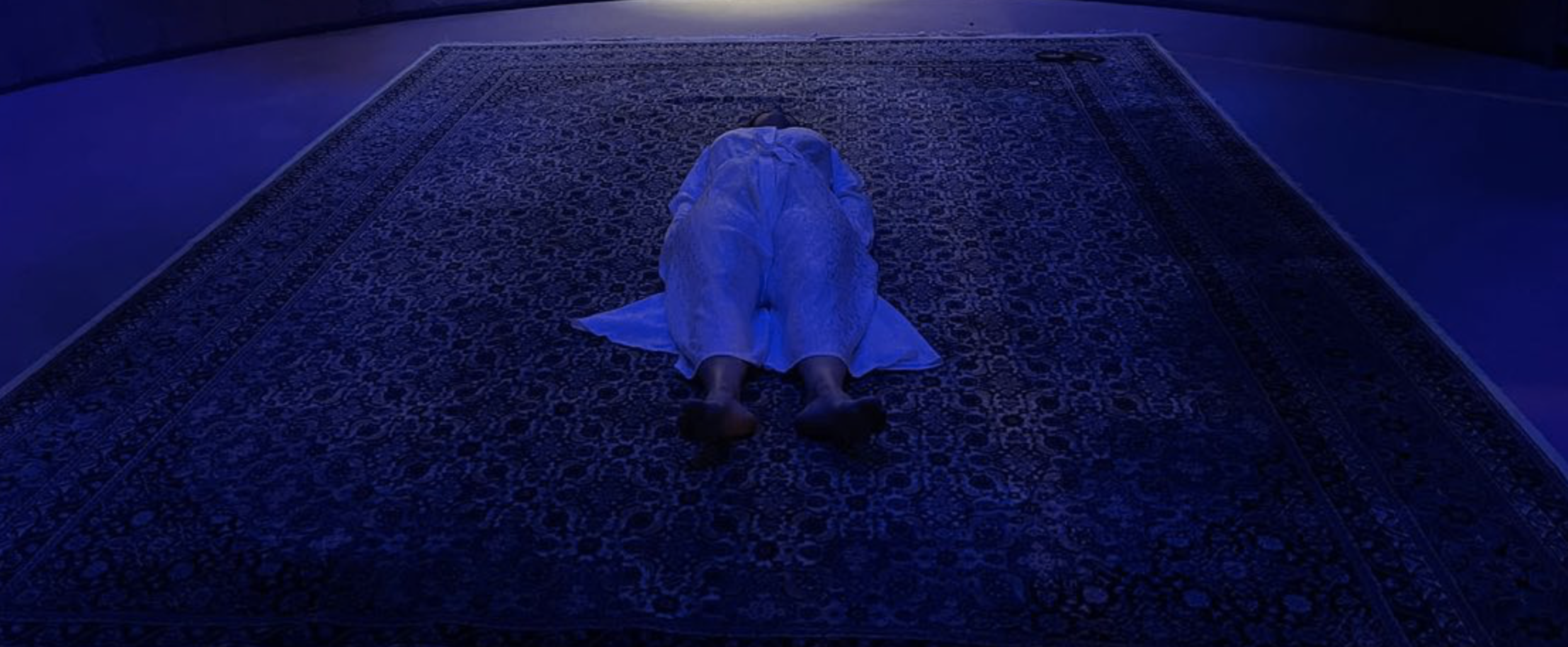
As a choreography of the impossible, this work aims to find faith in the body's ability to express itself and communicate through various materials. Through glass as a dominant material, the work explores the boundaries between the body, space, and the audience. This boundary is not impermeable but fluid, allowing the body to communicate and express itself to the external world. This process is not only physical but also emotional. Through sound and music, bodies become carriers of emotions and messages, creating a rich soundscape that contributes to the understanding and empathy of the audience. The body becomes more than a physical entity; it becomes a source of expression, protest, and hope.
From a curatorial perspective, the work of the artists in the "Choreographies of the Impossible" project explores the deeper aspects of the body as an expressive instrument and communicator through the use of different materials, with glass as a central element. This artistic approach aims to break down the boundaries between the body, space, and the audience, and these boundaries are not fixed but fluid, allowing bodies to actively communicate with the world around them. The artists emphasize that this process is not only physical but also has deep emotional components. By integrating sound and music, bodies become carriers of emotions and messages, creating a complex soundscape that enriches the understanding and empathy of the audience. The body is transformed into a source of change, protest, and hope.
Their work advocates for faith in the power of the body to transform materiality and establish deep emotional connections with the audience. The body becomes more than a physical entity; it becomes an instrument of change and a means to open new paths and alternatives, both in individual and collective experiences. This deep faith in the body as an agent of change is a key characteristic of the "Emergency Exit" project.
"Mokranjac's Second Rukovet" is part of a collection of compositions called "Rukoveti," written by the prominent Serbian composer and conductor Stevan Stojanović Mokranjac. This collection represents an important part of Mokranjac's contribution to Serbian choral music and folklore. The Second Rukovet is known for successfully conveying the spirit and emotional depth of Serbian folklore while also introducing innovative elements and Mokranjac's personal artistic touch. These compositions often bring forth layered emotions and an atmosphere deeply rooted in Serbian culture. Radical transparency through the sonic dimension allows for a deeper connection of the audience with the environmental surroundings while emphasizing the importance of sustainability. The sonic dimension, the "soundscape," plays a crucial role in this project, extending beyond national boundaries and enabling a transnational interpretation. Through the soundscape, the audience emotionally connects with the work, regardless of their origin or location, creating a sense of live presence in the installation. Human voice vibrations play a key role in creating an open and inclusive atmosphere within the Pavilion. These vibrations convey warmth, welcome, and emotional depth regardless of linguistic and cultural differences. Combining this idea with the concept of breaking glass and a call for revolt carries deep symbolism.
Breaking glass symbolizes the disruption of existing barriers and the opening of space for change and a new beginning. It can draw attention to injustice and call for action or change. On the other hand, the call for revolt expresses dissatisfaction and protest against injustices, using art as a means of expressing these feelings and demanding a better world.
This combination of breaking glass and a call for revolt indicates the need for change and liberation from limitations or injustices. Both concepts together emphasize the importance of active engagement in social and cultural changes to create a better future.
Jovana Stokić